
By Cindy Adams
In eighth grade, Roger could dismantle a classroom faster than his teachers could piece together why. He was a whirlwind. He would not sit for more than a moment, he refused to even try an assignment, and he was unwilling to receive help. The funny thing is, he had big aspirations and specific plans for his future. He wanted to be a welder. Not just any welder, but an underwater welder.
"When we first started working with Roger, he had a very specific philosophy about schoolwork," said Amanda Funkhouser, teacher at Wytheville Minnick School. "You might call it selective participation, or you might call it strategic avoidance."
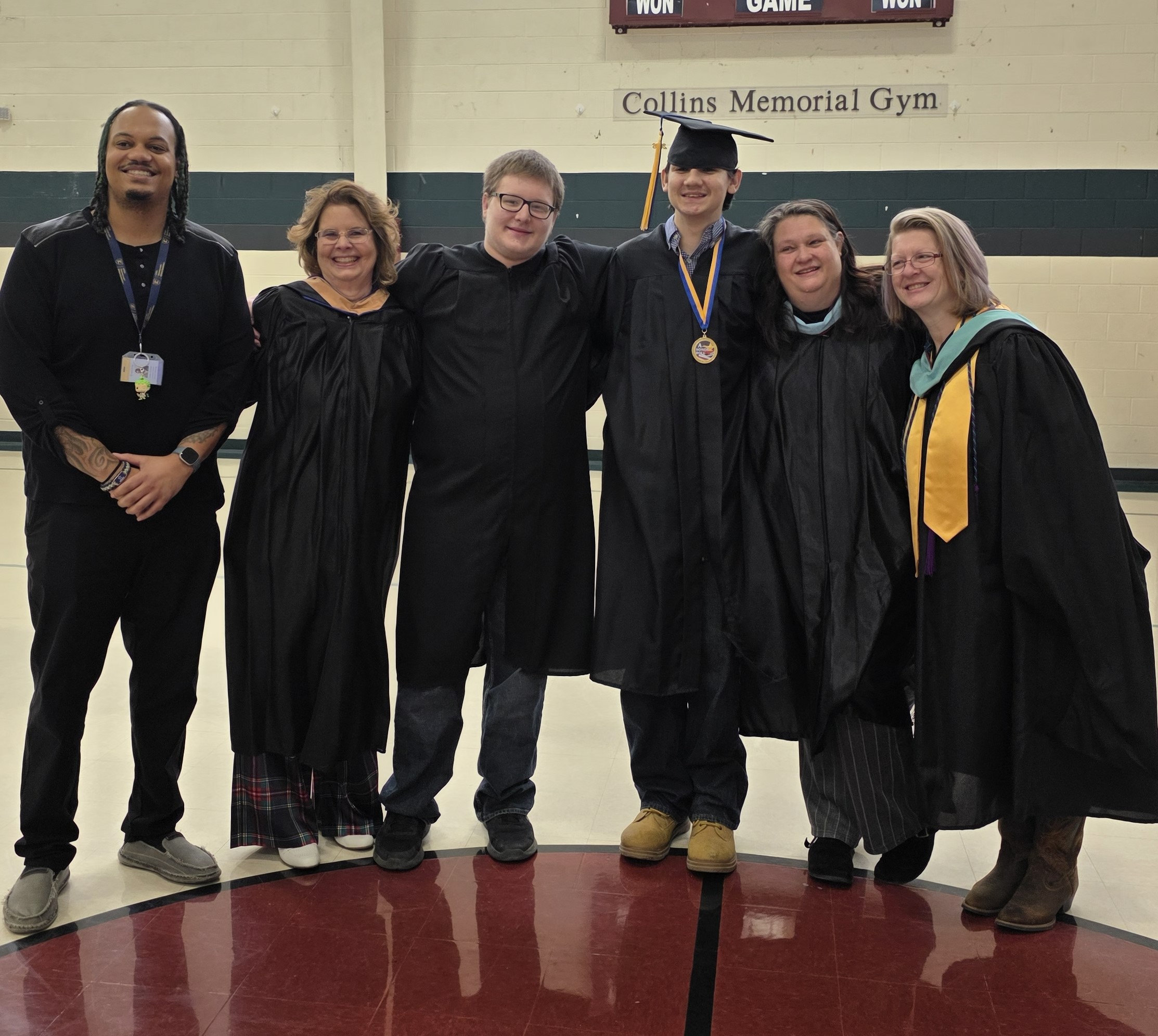
Basically, if Roger looked at an assignment and he thought there was even a one percent chance of it being tricky, his solution was to just say no. It would have been easy for his teachers to only see the chaos and refusals, label the behavior and sigh in frustration. But not at Minnick. Amanda, and co-teacher Judy Dow, refused to accept this was Roger’s whole story.
After a particularly challenging day, they sat down with his school records, hoping to find something…anything…that might help them reach him. Buried in pages of assessments and behavior notes was a small comment from a former teacher that said, "The only time I can get him to calm down is when I ask him to help with something." Amanda read it twice. Such a small observation. Such a massive clue.
The next morning, before Roger even had a chance to get frustrated, Amanda asked him if he would help her put some papers together. Without hesitation, he agreed. When he finished, she asked him if he would mind helping with a few more tasks. He agreed. And, for the first time, he let her show him how a project needed to be done. It was a connect.
As the teachers observed him, they noticed that having responsibility grounded him. Doing physical tasks made him happy. Being needed softened his posture and steadied his mind. As he grew more comfortable with them, they were able to assess his abilities, pinpoint his challenges and learn how to support him in a way that respected both his dignity and his pace. All of this had to happen before they could ever approach an academic goal. Tests particularly filled him with anxiety, and he would refuse to even try.
"He was not defiant. He had a fear of failing," Amanda said. "He had a fear of other students seeing him struggle, a fear of being exposed."
Amanda subtly began testing him one-on-one. No attention, no audience, no pressure. Just the two of them, sitting in the trusting space they had built. They did this year after year. No surprise, Roger’s scores improved, and not just a little. From his first assessment to his last, he had increased his score by 51 points. He tried. And he succeeded.
"The main lesson I learned from Roger was that beneath the storms that some students present is a heart waiting for someone to notice what is underneath," Amanda said. "This kid is one in a million. I both smile and cry every time I think of him."
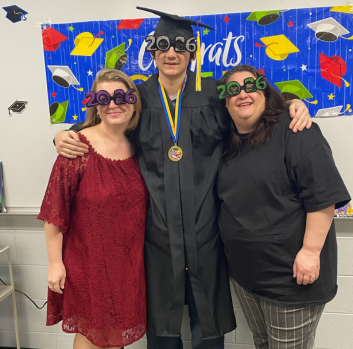
Roger graduated this year. He is now going to Job Corps to pursue his dream of becoming an underwater welder. Getting to this point was an exercise in discovery for his teachers. What they learned was that once Roger decided something was worth his time, he didn't just do it, he conquered it. And the best version of himself was most evident when he was doing hands-on tasks and helping others.
Roger's dream has never wavered, but now he has the personal tools to make it a reality. The technical skills will come in time. He is realistic and acknowledges the challenges, but he is now willing to reach out for help. Underneath the surface, water temperatures, visibility, currents and even marine life may be obstacles for him. But Roger has discovered what lies beneath his own surface, and that is everything he needs.