By Cindy Adams
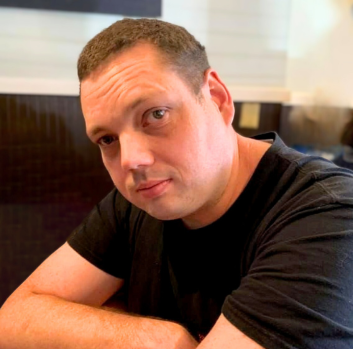
Henry was 16 when the Twin Towers fell. Like millions of Americans, he watched the horror unfold on television, but unlike most, he made a decision that would define the next 24 years of his life. While the rest of the country vowed to "Never Forget," Henry vowed to act. He became an EMS provider, answering emergency calls in his community, showing up for strangers in their darkest moments. Now 40, he's still showing up.
Henry's path to service started with an uncle who worked at a rescue station in Spotsylvania, Virginia. Henry would visit the station with him every chance he had. When 9/11 happened, Henry was still in high school, but he knew what he wanted to do.
Henry's challenge is he can't read or write because of a developmental disability, which meant he couldn't take the state EMT exam or earn the official certification. What he could do, however, was the hands-on work needed in emergent care. He got CPR trained so he could ride on the ambulance, carry equipment, help load patients, and be the steady presence his crew could count on, call after call. And he did that for a decade.
When the squad grew and more certified EMTs joined to form full crews, Henry made a selfless choice. He stepped back from riding the truck and moved into auxiliary work, supporting the squad behind the scenes. He knew certified crews were what the community needed most. But his teammates knew what they needed too, so they kept Henry as a member of the squad.
Henry also had opportunity to ride with a volunteer squad in an adjoining county and was invited to be a part of their Incident Management Team. Again, some exceptions were made because Henry is, well, Henry. He knows how to work seamlessly with others and get the job done. His signature compassion, paired with his EMS skills, made him a valuable member of the team.
Henry considers all these first responders his extended family.
"In this work, you have to be able to fully trust each other," Henry explained. "This is the kind of bond you need when you are working together on a scene. You have to know you can count on each other, no matter what."
Ask Henry about his standout moments over two decades of service, and he won't tell you about dramatic rescues or lives saved. He'll tell you about simply being allowed to ride as a squad member for as long as he did; about the people he met along the way; about being part of something bigger than himself.
His dedication to his community continues as he supports EMS through his auxiliary work. His direct experience and wide network make him invaluable to the squad in yet another capacity.
"Henry is supported by Medicaid to live in a Family Care Home through enCircle. This provides him with a solid foundation and, from here, he gives back to his community," explained Dan Kakitis, one of enCircle’s Developmental Services Regional Managers. "He is a very family and community-oriented gentleman who takes his integrity seriously. Henry does the right things for the right reasons; he’s a good man."
As Henry reflects, he is reminded of his high school self. When he was chosen as a speaker at graduation, everyone kept asking what he was going to say. He never told anyone. He just spoke into the microphone and made a simple promise: he was going to help his community.
He certainly kept that promise.